Pippa’s recovery story
Pippa lived with persistent pain that didn’t make sense, especially when scans and tests failed to explain what she was experiencing. This is her story of understanding pain differently and gradually finding her way forward.
Watch Pippa’s story
A real recovery journey - honest, grounded, and hopeful.
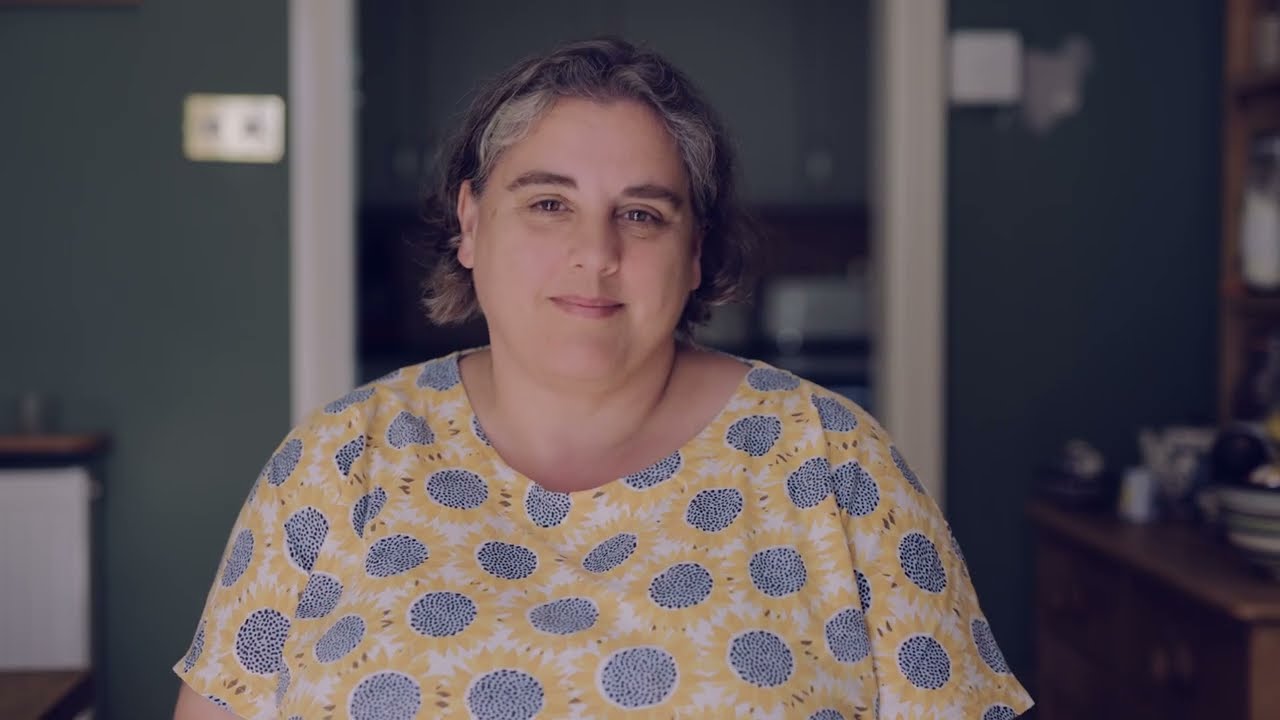
Watch on YouTube
Opens in a new tab →What this story is about
Many people with chronic pain are told that nothing more can be done, especially when imaging looks normal. Pippa’s experience reflects a growing understanding in pain science that ongoing pain is not always a sign of ongoing damage.
In some cases, the nervous system becomes sensitised and stays in a protective state. This is often described as neuroplastic or nociplastic pain. Learning how pain works can reduce fear and help the system gradually settle.
Common questions people ask
Is this saying pain is “all in the mind”?
No. The pain is real. Neuroplastic pain describes how the brain and nervous system process danger signals. Understanding this does not invalidate symptoms; it explains why pain can persist.
Does this mean everyone will recover?
No single approach works for everyone. Recovery stories are not promises. They are examples that change can be possible for some people, even after long periods of pain.
Should this replace medical care?
Mind–body and neuroplastic approaches are often used alongside medical care, not instead of it. Decisions should always be made with appropriate clinical guidance.
